Buy jpss.eu ?
We are moving the project
jpss.eu .
Are you interested in purchasing the domain
jpss.eu ?
domain@kv-gmbh.de · 0541-91531010
Buy jpss.eu ?
What distinguishes systematic observation from participant observation in field research?
Systematic observation in field research involves the structured and planned collection of data through direct observation of a specific phenomenon, often using predetermined categories or criteria. On the other hand, participant observation involves the researcher immersing themselves in the social setting being studied, actively participating in the activities and interactions of the group being observed. While systematic observation allows for a more objective and standardized approach to data collection, participant observation provides a deeper understanding of the social context and dynamics by experiencing it firsthand. Ultimately, the main distinction lies in the level of involvement and interaction between the researcher and the subjects of the study. **
What distinguishes systematic observation from participatory observation in field research?
Systematic observation in field research involves the structured and predetermined collection of data based on specific variables or behaviors of interest. Researchers use predefined criteria to guide their observations and ensure consistency in data collection. On the other hand, participatory observation involves the researcher immersing themselves in the social setting being studied, actively participating in the activities of the group being observed. This approach allows the researcher to gain a deeper understanding of the context and culture of the group, but may be more subjective and less structured compared to systematic observation. **

Similar search terms for Rinnai-11I-17I-17e
Top-Angebote
Products related to Rinnai-11I-17I-17e:
-
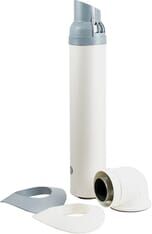
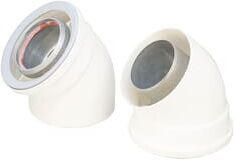
Rinnai 11i/17i/HD55i Standard Flue KitRinnai 11i/17i/HD55i Standard Flue Kit (AWF50-01) The Rinnai Standard Horizontal Flue Kit AWF50-01 is designed for safe and compliant horizontal flue installations for Rinnai 11i, 17i and HD55i continuous flow non-condensing gas water heaters. This kit provides a reliable solution for wall-terminated systems and ensures efficient removal of combustion gases while maintaining air intake. The kit includes a 70cm 80/125mm wall terminal, a 90° male/female flue elbow adaptor, and both black and white wall gaskets, making it suitable for various installation finishes. Perfect for indoor installations requiring horizontal venting, the VRM Series flue kit is manufacturer-approved and weather-resistant for long-lasting performance. Key Features & Benefits Horizontal Flue Kit: Desi123,59 £*Shipping: 0,00 £Secure redirect to the provider
-
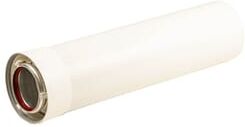
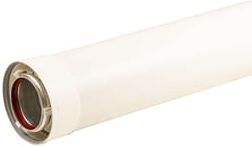
Rinnai 11i/17i/HD55i Flue Extension - 500mmRinnai 11i/17i/HD55i Flue Extension – 500mm (AWF50-05) The Rinnai AWF50-05 500mm Flue Extension is designed to extend the horizontal or vertical flue run of Rinnai 11i, 17i and HD55i non-condensing gas water heaters. This extension is ideal for installations that require longer venting distances, ensuring safe and efficient discharge of combustion gases. Manufactured to Rinnai's quality standards, this 80/125mm coaxial flue extension maintains full system compatibility and compliance with manufacturer guidelines. Perfect for indoor or confined-space installations where standard flue lengths are insufficient. Key Features & Benefits: 500mm Extension Length: Adds extra reach to your flue system for flexible installation. Compatible with Rinnai Models:70,26 £*Shipping: 5,00 £Secure redirect to the provider

-
What are objective criteria in weather observation?
Objective criteria in weather observation are measurable and quantifiable factors that are used to describe the current weather conditions. These criteria include temperature, humidity, wind speed and direction, precipitation amount, cloud cover, and atmospheric pressure. By using objective criteria, meteorologists can provide accurate and consistent information about the weather, which is crucial for making informed decisions and predictions. **
-
Is that a satellite space station?
No, that is not a satellite space station. A satellite space station is a large spacecraft that orbits the Earth and is used for scientific research or as a base for space exploration. The object in question may be a satellite, but it does not appear to be a space station. It is important to note that without further information or context, it is difficult to definitively identify the object. **
-
Can the weather affect a military satellite?
Yes, the weather can affect a military satellite. Extreme weather conditions such as severe storms, high winds, or heavy precipitation can potentially disrupt satellite communications or even damage the satellite itself. Additionally, changes in temperature can impact the performance and functionality of the satellite's components. Therefore, military satellite operators need to consider weather conditions when planning and operating their satellite systems. **
-
Which space station or satellite is this?
This is the International Space Station (ISS), a habitable artificial satellite that orbits the Earth. It serves as a space environment research laboratory where scientific research and experiments are conducted in astrobiology, astronomy, meteorology, physics, and other fields. The ISS is a collaborative project involving multiple space agencies, including NASA, Roscosmos, ESA, JAXA, and CSA. It has been continuously inhabited since November 2000 and is a symbol of international cooperation in space exploration. **

What types of dishes are there in satellite technology?
In satellite technology, there are primarily two types of dishes used: parabolic dishes and flat panel dishes. Parabolic dishes are curved in shape and are commonly used for satellite TV reception. They are able to focus signals from a specific direction, making them ideal for receiving signals from satellites in geostationary orbit. Flat panel dishes, on the other hand, are flatter and more compact, making them suitable for mobile satellite communication applications such as in vehicles or airplanes. Both types of dishes play a crucial role in receiving and transmitting signals in satellite technology. **
What types of dishes are used in satellite technology?
Satellite technology uses dishes known as parabolic antennas or satellite dishes. These dishes are designed to receive and transmit signals to and from satellites in orbit. The parabolic shape of the dish helps to focus the signals, allowing for better communication between the satellite and the ground station. These dishes are commonly used for satellite television, internet services, and communication networks. **
Top-Angebote
Products related to Rinnai-11I-17I-17e:
-
Rinnai 11I,17I & 17e A Series LPG Conversion KitRinnai 11i, 17i & 17e A Series LPG Conversion Kit (17I CONV NG-LPG) The Rinnai 11i, 17i & 17e A Series LPG Conversion Kit is the genuine, manufacturer-approved solution for converting a compatible Rinnai A Series continuous flow water heater from natural gas to LPG (propane). It's built to Rinnai's own standards and covers three models in the A Series range — the 11i, 17i, and 17e — with components precision-engineered to get gas regulation correct after conversion. This kit is well suited to rural properties or any location without access to mains natural gas, giving a cost-effective way to run an A Series appliance on LPG without sacrificing efficiency, safety, or long-term reliability. ⚠ Important: This conversion must be carried out by a Gas Safe registered engineer familiar with Rinnai appliances. Isolate t54,00 £*Shipping: 5,00 £Secure redirect to the provider
-
Rinnai 11i, 17i & 17e Gas Water Heater Service KitInvest in the care and maintenance of your Rinnai 11i, 17i or 17e gas water heater with this dedicated service kit. By doing so, you are not only enhancing its current performance but also investing in its longevity, securing uninterrupted comfort for your home or business premises for years to come. Benefits of Regular Maintenance: Enhanced Efficiency: Regular servicing can ensure that your water heater operates at peak efficiency, reducing energy bills. Longer Lifespan: Preventing buildup and replacing worn-out parts can significantly extend the life of your water heater. Safety: Ensuring that your appliance is in top condition minimizes the risk of leaks or malfunctions. Installation & Safety: Always ensure that installation and88,20 £*Shipping: 0,00 £Secure redirect to the provider
-
Rinnai 11i/17i/HD55i Standard Flue KitRinnai 11i/17i/HD55i Standard Flue Kit (AWF50-01) The Rinnai Standard Horizontal Flue Kit AWF50-01 is designed for safe and compliant horizontal flue installations for Rinnai 11i, 17i and HD55i continuous flow non-condensing gas water heaters. This kit provides a reliable solution for wall-terminated systems and ensures efficient removal of combustion gases while maintaining air intake. The kit includes a 70cm 80/125mm wall terminal, a 90° male/female flue elbow adaptor, and both black and white wall gaskets, making it suitable for various installation finishes. Perfect for indoor installations requiring horizontal venting, the VRM Series flue kit is manufacturer-approved and weather-resistant for long-lasting performance. Key Features & Benefits Horizontal Flue Kit: Desi123,59 £*Shipping: 0,00 £Secure redirect to the provider
-
Rinnai 11i/17i/HD55i Flue Extension - 500mmRinnai 11i/17i/HD55i Flue Extension – 500mm (AWF50-05) The Rinnai AWF50-05 500mm Flue Extension is designed to extend the horizontal or vertical flue run of Rinnai 11i, 17i and HD55i non-condensing gas water heaters. This extension is ideal for installations that require longer venting distances, ensuring safe and efficient discharge of combustion gases. Manufactured to Rinnai's quality standards, this 80/125mm coaxial flue extension maintains full system compatibility and compliance with manufacturer guidelines. Perfect for indoor or confined-space installations where standard flue lengths are insufficient. Key Features & Benefits: 500mm Extension Length: Adds extra reach to your flue system for flexible installation. Compatible with Rinnai Models:70,26 £*Shipping: 5,00 £Secure redirect to the provider
-
What distinguishes systematic observation from participant observation in field research?
Systematic observation in field research involves the structured and planned collection of data through direct observation of a specific phenomenon, often using predetermined categories or criteria. On the other hand, participant observation involves the researcher immersing themselves in the social setting being studied, actively participating in the activities and interactions of the group being observed. While systematic observation allows for a more objective and standardized approach to data collection, participant observation provides a deeper understanding of the social context and dynamics by experiencing it firsthand. Ultimately, the main distinction lies in the level of involvement and interaction between the researcher and the subjects of the study. **
-
What distinguishes systematic observation from participatory observation in field research?
Systematic observation in field research involves the structured and predetermined collection of data based on specific variables or behaviors of interest. Researchers use predefined criteria to guide their observations and ensure consistency in data collection. On the other hand, participatory observation involves the researcher immersing themselves in the social setting being studied, actively participating in the activities of the group being observed. This approach allows the researcher to gain a deeper understanding of the context and culture of the group, but may be more subjective and less structured compared to systematic observation. **
-
What are objective criteria in weather observation?
Objective criteria in weather observation are measurable and quantifiable factors that are used to describe the current weather conditions. These criteria include temperature, humidity, wind speed and direction, precipitation amount, cloud cover, and atmospheric pressure. By using objective criteria, meteorologists can provide accurate and consistent information about the weather, which is crucial for making informed decisions and predictions. **
-
Is that a satellite space station?
No, that is not a satellite space station. A satellite space station is a large spacecraft that orbits the Earth and is used for scientific research or as a base for space exploration. The object in question may be a satellite, but it does not appear to be a space station. It is important to note that without further information or context, it is difficult to definitively identify the object. **
Similar search terms for Rinnai-11I-17I-17e
-
Rinnai 11i/17i Connection & Isolation Valve PackThe Rinnai 11i/17i Connection & Isolation Valve Pack is a must-have for enhancing the functionality and safety of your Rinnai water heating systems. Designed with precision and compatibility in mind, this valve pack seamlessly integrates with the Rinnai 11i and 17i models, ensuring a perfect fit and effortless installation. For use with 15mm copper tube.38,40 £*Shipping: 5,00 £Secure redirect to the provider
-
Can the weather affect a military satellite?
Yes, the weather can affect a military satellite. Extreme weather conditions such as severe storms, high winds, or heavy precipitation can potentially disrupt satellite communications or even damage the satellite itself. Additionally, changes in temperature can impact the performance and functionality of the satellite's components. Therefore, military satellite operators need to consider weather conditions when planning and operating their satellite systems. **
-
Which space station or satellite is this?
This is the International Space Station (ISS), a habitable artificial satellite that orbits the Earth. It serves as a space environment research laboratory where scientific research and experiments are conducted in astrobiology, astronomy, meteorology, physics, and other fields. The ISS is a collaborative project involving multiple space agencies, including NASA, Roscosmos, ESA, JAXA, and CSA. It has been continuously inhabited since November 2000 and is a symbol of international cooperation in space exploration. **
-
What types of dishes are there in satellite technology?
In satellite technology, there are primarily two types of dishes used: parabolic dishes and flat panel dishes. Parabolic dishes are curved in shape and are commonly used for satellite TV reception. They are able to focus signals from a specific direction, making them ideal for receiving signals from satellites in geostationary orbit. Flat panel dishes, on the other hand, are flatter and more compact, making them suitable for mobile satellite communication applications such as in vehicles or airplanes. Both types of dishes play a crucial role in receiving and transmitting signals in satellite technology. **
-
What types of dishes are used in satellite technology?
Satellite technology uses dishes known as parabolic antennas or satellite dishes. These dishes are designed to receive and transmit signals to and from satellites in orbit. The parabolic shape of the dish helps to focus the signals, allowing for better communication between the satellite and the ground station. These dishes are commonly used for satellite television, internet services, and communication networks. **
* All prices are inclusive of VAT and, if applicable, plus shipping costs. The offer information is based on the details provided by the respective shop and is updated through automated processes. Real-time updates do not occur, so deviations can occur in individual cases. ** Note: Parts of this content were created by AI.