Buy jpss.eu ?
We are moving the project
jpss.eu .
Are you interested in purchasing the domain
jpss.eu ?
domain@kv-gmbh.de · 0541-91531010
Buy jpss.eu ?
Is this television suitable for a satellite antenna?
Yes, this television is suitable for a satellite antenna. Most modern televisions are equipped with the necessary input connections, such as HDMI or coaxial, to connect to a satellite antenna. Additionally, many televisions come with built-in tuners that are compatible with satellite signals, making them suitable for use with a satellite antenna. It is important to ensure that the television has the appropriate input connections and tuner capabilities to work with the specific satellite antenna being used. **
Do you absolutely need a satellite antenna connection?
No, you do not absolutely need a satellite antenna connection. There are other options for accessing television and internet services, such as cable, fiber optic, and streaming services. Depending on your location and specific needs, you may be able to find a suitable alternative to a satellite antenna connection. **


Similar search terms for Antenna
Top-Angebote
Products related to Antenna:
-
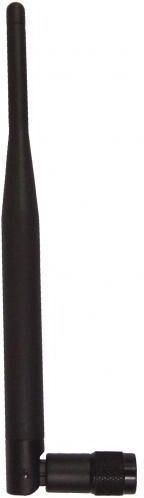
Ubiquiti airMAX RD-5G30-LW 5GHz Rocket Dish 30dBi Lightweight AntennaUbiquiti airMAX Rocket Dish RD-5G30-LW lightweight directional dish antenna for 5 GHz point-to-point links. 30 dBi gain, 5.1–5.9 GHz frequency range, 650 mm dish, white. Designed to pair with Ubiquiti Rocket radios.189,49 £*Shipping: 0,00 £Secure redirect to the provider



-
How do I connect a VHF DVB-T and satellite antenna to an antenna cable?
To connect a VHF DVB-T and satellite antenna to an antenna cable, you will need a splitter or a combiner, depending on whether you want to combine the signals from both antennas or keep them separate. If you want to combine the signals, you can use a splitter with a power pass feature to ensure that the satellite antenna receives power. If you want to keep the signals separate, you can use a combiner to merge the signals into a single cable. Once you have the appropriate equipment, simply connect the antennas to the splitter or combiner, and then connect the output to the antenna cable. **
-
How is the satellite antenna twisted since the storm?
The satellite antenna is twisted since the storm due to the strong winds and turbulent weather conditions. The force of the storm likely caused the antenna to rotate or shift from its original position, resulting in a twisted or misaligned appearance. This could affect the satellite signal reception and may require realignment or repairs to restore proper functionality. **
-
What are cable receivers, satellite receivers, and antenna sockets?
Cable receivers, satellite receivers, and antenna sockets are all devices used to receive television signals. Cable receivers are used to receive cable television signals, which are transmitted through coaxial cables. Satellite receivers are used to receive television signals from satellites, which are transmitted through satellite dishes. Antenna sockets are used to connect television antennas to televisions, allowing for the reception of over-the-air broadcast signals. Each of these devices plays a crucial role in delivering television programming to viewers. **
-
How does satellite reception work through an antenna socket?
Satellite reception through an antenna socket works by receiving signals from satellites in space. The antenna socket is connected to a satellite dish, which captures the signals and sends them through the socket to the satellite receiver. The receiver then processes the signals and converts them into audio and video data that can be displayed on a television or other device. The antenna socket acts as the connection point between the satellite dish and the receiver, allowing for the transmission of signals from the satellite to the receiver. **


What type of antenna is used: a traditional antenna, a fin antenna, or no antenna at all?
The type of antenna used can vary depending on the specific application and design of the device. Traditional antennas, such as dipole or monopole antennas, are commonly used for general wireless communication applications. Fin antennas, also known as shark fin antennas, are often used in automotive applications for GPS, cellular, and other wireless communication systems. Some devices may not have a visible external antenna at all, as the antenna may be integrated into the device's housing or printed onto the circuit board. Ultimately, the choice of antenna type depends on the specific requirements and constraints of the device and its intended use. **
'Antennen oder Sat-Kabel?' translates to 'Antenna or satellite cable?'
"Antennen oder Sat-Kabel?" translates to "Antenna or satellite cable?" in English. This question is asking whether you prefer to use an antenna or a satellite cable for receiving television signals. Antennas are used to pick up over-the-air signals, while satellite cables are used to receive signals from satellites. Your choice between the two will depend on factors such as your location, budget, and the channels you want to access. **
Top-Angebote
Products related to Antenna:
-
Is this television suitable for a satellite antenna?
Yes, this television is suitable for a satellite antenna. Most modern televisions are equipped with the necessary input connections, such as HDMI or coaxial, to connect to a satellite antenna. Additionally, many televisions come with built-in tuners that are compatible with satellite signals, making them suitable for use with a satellite antenna. It is important to ensure that the television has the appropriate input connections and tuner capabilities to work with the specific satellite antenna being used. **
-
Do you absolutely need a satellite antenna connection?
No, you do not absolutely need a satellite antenna connection. There are other options for accessing television and internet services, such as cable, fiber optic, and streaming services. Depending on your location and specific needs, you may be able to find a suitable alternative to a satellite antenna connection. **
-
How do I connect a VHF DVB-T and satellite antenna to an antenna cable?
To connect a VHF DVB-T and satellite antenna to an antenna cable, you will need a splitter or a combiner, depending on whether you want to combine the signals from both antennas or keep them separate. If you want to combine the signals, you can use a splitter with a power pass feature to ensure that the satellite antenna receives power. If you want to keep the signals separate, you can use a combiner to merge the signals into a single cable. Once you have the appropriate equipment, simply connect the antennas to the splitter or combiner, and then connect the output to the antenna cable. **
-
How is the satellite antenna twisted since the storm?
The satellite antenna is twisted since the storm due to the strong winds and turbulent weather conditions. The force of the storm likely caused the antenna to rotate or shift from its original position, resulting in a twisted or misaligned appearance. This could affect the satellite signal reception and may require realignment or repairs to restore proper functionality. **
Similar search terms for Antenna
-
Ubiquiti airMAX RD-5G30-LW 5GHz Rocket Dish 30dBi Lightweight AntennaUbiquiti airMAX Rocket Dish RD-5G30-LW lightweight directional dish antenna for 5 GHz point-to-point links. 30 dBi gain, 5.1–5.9 GHz frequency range, 650 mm dish, white. Designed to pair with Ubiquiti Rocket radios.189,49 £*Shipping: 0,00 £Secure redirect to the provider
-
What are cable receivers, satellite receivers, and antenna sockets?
Cable receivers, satellite receivers, and antenna sockets are all devices used to receive television signals. Cable receivers are used to receive cable television signals, which are transmitted through coaxial cables. Satellite receivers are used to receive television signals from satellites, which are transmitted through satellite dishes. Antenna sockets are used to connect television antennas to televisions, allowing for the reception of over-the-air broadcast signals. Each of these devices plays a crucial role in delivering television programming to viewers. **
-
How does satellite reception work through an antenna socket?
Satellite reception through an antenna socket works by receiving signals from satellites in space. The antenna socket is connected to a satellite dish, which captures the signals and sends them through the socket to the satellite receiver. The receiver then processes the signals and converts them into audio and video data that can be displayed on a television or other device. The antenna socket acts as the connection point between the satellite dish and the receiver, allowing for the transmission of signals from the satellite to the receiver. **
-
What type of antenna is used: a traditional antenna, a fin antenna, or no antenna at all?
The type of antenna used can vary depending on the specific application and design of the device. Traditional antennas, such as dipole or monopole antennas, are commonly used for general wireless communication applications. Fin antennas, also known as shark fin antennas, are often used in automotive applications for GPS, cellular, and other wireless communication systems. Some devices may not have a visible external antenna at all, as the antenna may be integrated into the device's housing or printed onto the circuit board. Ultimately, the choice of antenna type depends on the specific requirements and constraints of the device and its intended use. **
-
'Antennen oder Sat-Kabel?' translates to 'Antenna or satellite cable?'
"Antennen oder Sat-Kabel?" translates to "Antenna or satellite cable?" in English. This question is asking whether you prefer to use an antenna or a satellite cable for receiving television signals. Antennas are used to pick up over-the-air signals, while satellite cables are used to receive signals from satellites. Your choice between the two will depend on factors such as your location, budget, and the channels you want to access. **
* All prices are inclusive of VAT and, if applicable, plus shipping costs. The offer information is based on the details provided by the respective shop and is updated through automated processes. Real-time updates do not occur, so deviations can occur in individual cases. ** Note: Parts of this content were created by AI.