Buy jpss.eu ?
We are moving the project
jpss.eu .
Are you interested in purchasing the domain
jpss.eu ?
domain@kv-gmbh.de · 0541-91531010
Buy jpss.eu ?
How did our solar system originate?
Our solar system originated from a giant cloud of gas and dust called a nebula. About 4.6 billion years ago, this nebula began to collapse under its own gravity, causing it to spin and flatten into a disk shape. The center of the disk formed the Sun, while the remaining material in the disk clumped together to form the planets, moons, asteroids, and comets that make up our solar system today. This process is known as the nebular hypothesis and is the most widely accepted explanation for the origin of our solar system. **
How big is our solar system?
Our solar system is quite large, extending from the sun to the outer reaches of the Kuiper Belt, which is about 7.5 billion miles away. The eight planets, along with their moons, asteroids, and comets, are all part of our solar system. The distance from the sun to the farthest known object in our solar system, the dwarf planet Eris, is about 9 billion miles. So, our solar system is vast and encompasses a large area of space. **

Similar search terms for Exploring-Our-Solar-System
Top-Angebote
Products related to Exploring-Our-Solar-System:
-
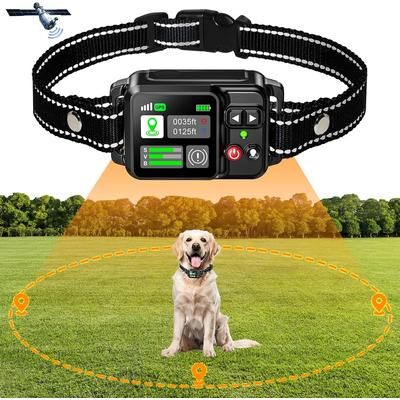
PetsAreLife GPS Wireless Dog Fencing System, Electric Dog Fence With GPS Electric Satellite Technology, Electric Pet Fencing System GPS Wireless Dog Fencing System, Electric Dog Fence With GPS Electric Satellite Technology, Electric Pet Fencing SystemKeep your best friend safe, happy, and free to roamwithout ever worrying about escapes. Our GPS Wireless Dog Fencing System combines cuttingedge satellite positioning with reliable electric borders to give you complete control over your pets play...114,99 $*Shipping: 0,00 $Secure redirect to the provider
-
Collins Beginner's Guides of Astronomy 4 Books Collection Box Set (Stargazing, Moongazing, Northern Lights and Observing our Solar System)Beginner's Guides of Astronomy 4 Books Collection Box Set (Stargazing, Moongazing, Northern Lights & Observing our Solar System): Stargazing: A brilliant introductory guide to exploring the night sky, from the astronomers of the Royal Observatory Greenwich.Offering complete advice from the ground up, Stargazing is the perfect manual for beginners to astronomy – introducing the world of telescopes, planets, stars, dark skies and celestial maps.Discover how to tackle light pollution, how to stargaze with just your eyes, and what equipment is best for beginners. Moongazing: An in-depth guide for aspiring astronomers and Moon observers from the Royal Observatory Greenwich. Includes detailed Moon maps and covers the history of lunar observation and exploration, the properties of the Moon, its origin and orbit. This is the ideal book for Moon observers covering essential equipment, and the key events to look out for.Detailed advice is given on how to choose a telescope and how to capture the Moon in sketches. Northern Lights: The perfect gift for anyone with a desire to see the Northern Lights.Discover the incomparable beauty of the Northern Lights with this accessible guide for aspiring astronomers and seasoned night sky observers. Covers the essential equipment needed for observation and photography and full of stunning photographs. Observing our Solar System: In this guide, you will learn how the Solar System came to be understood – from ancient theories of its mechanics to the modern age of remote sensing, We'll then look at the significant targets for amateur astronomers – the Moon, Sun and planets – to see how they can be explored by eye and with telescopes.12,85 £*Shipping: 2,99 £Secure redirect to the provider
-
Our Choice F-Connector Satellite & TV Coaxial Splitter - 3-WayOur F Connector splitter units enable users to divide an RF coaxial signal from a single source to three devices. For instance, one satellite dish can be connected to three Sky boxes, Freesat, or Virgin boxes using an F type connector.10,99 £*Shipping: 0,00 £Secure redirect to the provider
-
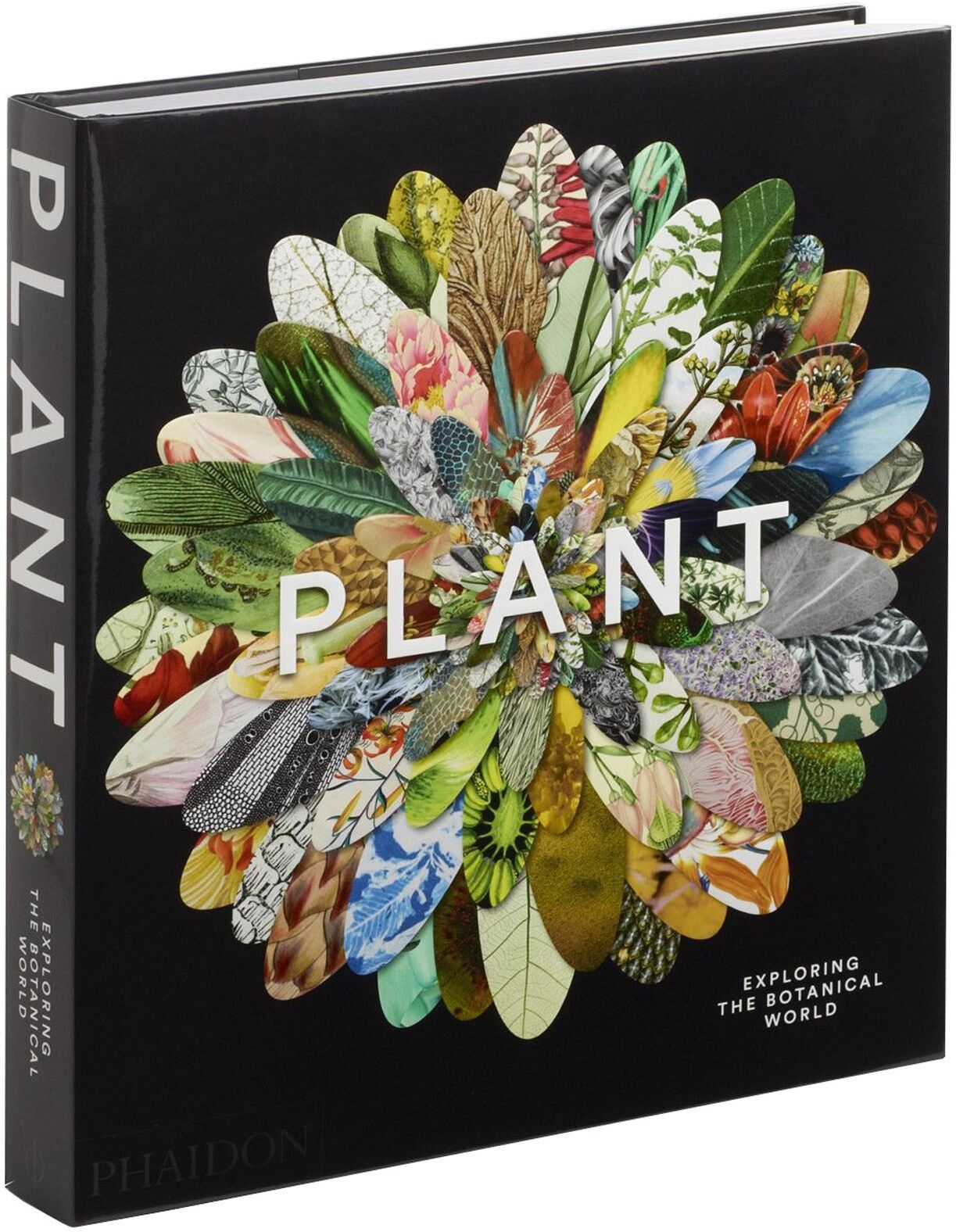
Phaidon Press Plant: Exploring the Botanical WorldThe ultimate gift for gardeners and art-lovers, featuring 300 of the most beautiful and pioneering botanical images ever. Following in the footsteps of the international bestseller Map: Exploring the World, this fresh and visually stunning survey celebrates the extraordinary beauty and diversity of plants. It combines photographs and cutting-edge micrograph scans with watercolours, drawings, and prints to bring this universally popular and captivating subject vividly to life. Carefully selected by an international panel of experts and arranged in a uniquely structured sequence to highlight thought-provoking contrasts and similarities, this stunning compilation of botanically themed images includes iconic work by celebrated artists, photographers, scientists, and botanical illustrators, as well as rare and previously unpublished images.26,99 £*Shipping: 2,99 £Secure redirect to the provider


-
Can we never leave our solar system?
As of now, the technology and resources required for humans to leave our solar system are not available. The vast distances, the need for sustainable life support systems, and the challenges of traveling at near-light speeds make it extremely difficult to leave our solar system. However, with advancements in technology and space exploration, it is possible that in the future humans may develop the capability to travel beyond our solar system. But for now, leaving our solar system remains a distant and challenging prospect. **
-
What is Pluto in our solar system?
Pluto is a dwarf planet located in our solar system, orbiting the sun in the Kuiper Belt. It was once considered the ninth planet in our solar system, but was reclassified as a dwarf planet in 2006 by the International Astronomical Union. Pluto is smaller than Earth's moon and has a highly elliptical orbit, taking 248 years to complete one orbit around the sun. It has five known moons, the largest of which is Charon. **
-
Will we ever leave our solar system?
It is possible that humans will eventually leave our solar system, but it will likely be a very long time in the future. Currently, our technology is not advanced enough to make interstellar travel feasible, and the distances involved are incredibly vast. However, with continued advancements in space exploration and propulsion technology, it is conceivable that future generations may develop the capability to travel beyond our solar system. Nonetheless, it would require significant scientific and engineering breakthroughs to make interstellar travel a reality. **
-
Could our solar system exist without a galaxy?
No, our solar system could not exist without a galaxy. Our solar system is part of the Milky Way galaxy, and the gravitational forces and interactions within the galaxy are essential for the formation and stability of our solar system. Additionally, the material from which our solar system formed likely originated from the Milky Way galaxy. Without the presence of a galaxy, the conditions necessary for the formation and evolution of our solar system would not exist. **

What is the gravity in our solar system?
The gravity in our solar system is primarily determined by the mass of the Sun, which creates a gravitational force that holds the planets, moons, and other objects in orbit around it. The force of gravity decreases with distance from the Sun, so the closer an object is to the Sun, the stronger the gravitational force it experiences. Additionally, the mass of each individual planet and moon also contributes to the overall gravitational forces within the solar system. **
How many planets are in our solar system?
There are eight planets in our solar system: Mercury, Venus, Earth, Mars, Jupiter, Saturn, Uranus, and Neptune. In 2006, Pluto was reclassified as a "dwarf planet" by the International Astronomical Union, so it is no longer considered one of the main planets in our solar system. **
Top-Angebote
Products related to Exploring-Our-Solar-System:
-
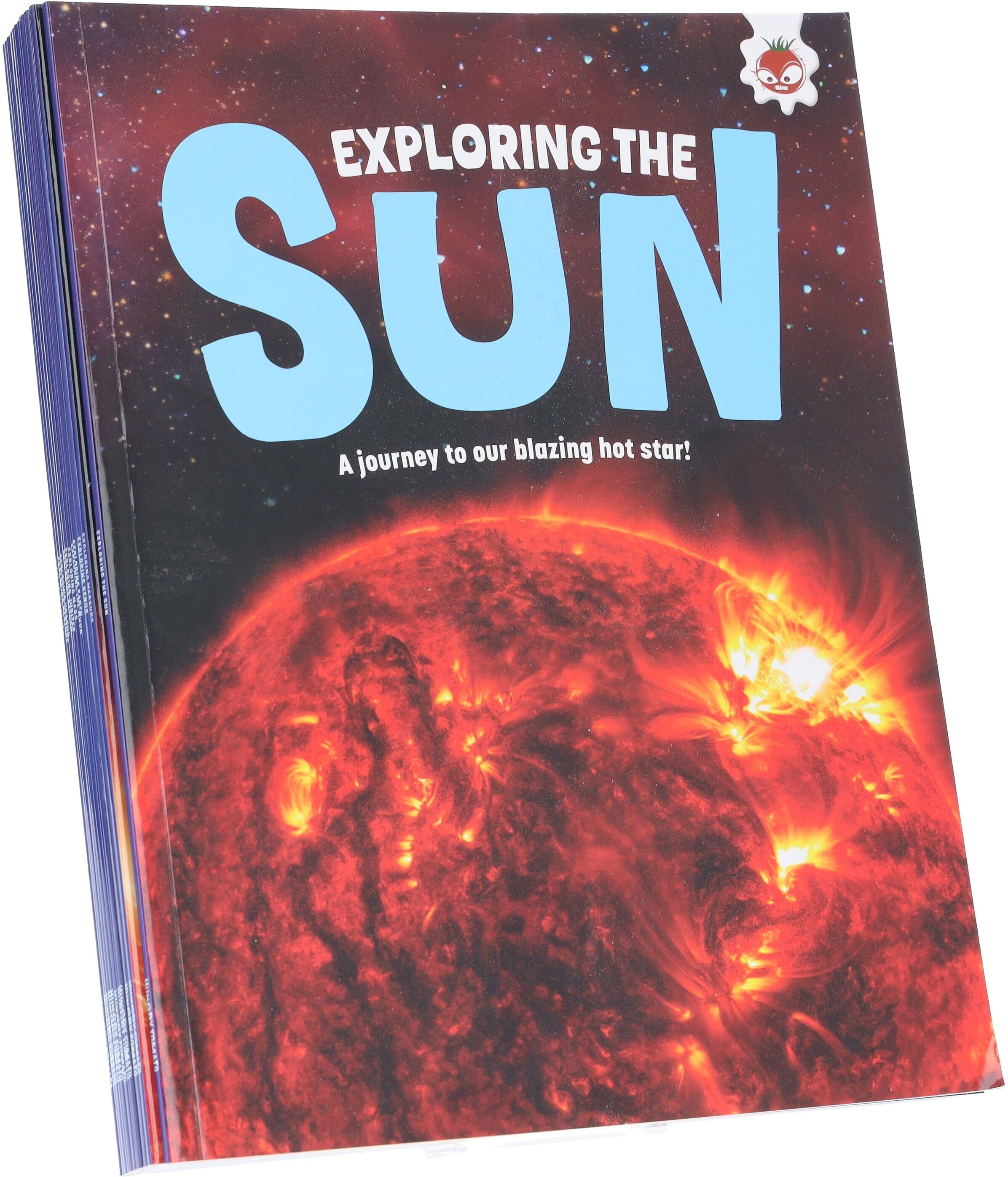
Exploring Our Solar System Series by Emily Kington & Rosie Rowntree 12 Books Collection Set - Ages 5+ - Paperback hungrytomatoTitles in this Set: 1. Exploring the Sun: A journey to our blazing hot star! 2. Exploring Mercury: A journey to the fastest-moving planet 3. Exploring Venus: A journey to the hottest planet! 4. Exploring Earth: A journey to the planet we call home! 5. Exploring the Moon: A journey to our incredible natural satellite! 6. Exploring Mars: A journey to the fascinating red planet! 7. Exploring Jupiter: A journey to the biggest planet! 8. Exploring Saturn: A journey to the planet with the most moons! 9. Exploring Uranus: A journey to the coldest planet! 10. Exploring Neptune: A journey to the most distant planet! 11. Exploring Pluto: A journey to the mysterious dwarf planets! 12. Exploring Comets and Asteroids: A journey to lightning-fast space rocks! Description: Exploring the Sun: A journey to our blazing hot star! Calling all budding astronauts and space scientists! Prepare to blast-off on a journey through space with this guide to the star at the centre of our solar system. Learn about how the Sun was formed, how it causes the Northern Lights, why humans need protecting from its rays – and so much more! Exploring Mercury: A journey to the fastest-moving planet! Calling all budding astronauts and space scientists! Prepare to blast-off on a journey through space with the latest about Mercury, the smallest planet in the solar system. Learn about how to spot Mercury in the skies from Earth, why it is the fastest planet to orbit the Sun, what created the huge cracks on its surface – and so much more! Exploring Venus: A journey to the hottest planet! Calling all budding astronauts and space scientists! Prepare to blast-off on a journey through space with this guide to Venus, the hottest planet in the solar system. Check out the latest news, why it is so hot, why it is called 'Earth's twin', why humans will never likely walk on its surface – and so much more! Exploring Earth: A journey to the planet we call home! Calling all budding astronauts and space scientists! Prepare to blast-off on a journey through space with the latest about Earth, the planet that we call home. Learn about how much of its surface is covered in water, where the hottest and coldest places are, what Earth’s different layers are made of – and so much more! Exploring the Moon: A journey to our incredible natural satellite! Calling all budding astronauts and space scientists! Prepare to blast-off on a journey through space with this guide to the Moon, Earth’s only natural satellite. Learn about what created the craters on the Moon’s surface, how it affects the ocean’s tides, how many astronauts have walked on it – and so much more! Exploring Mars: A journey to the fascinating red planet! Calling all budding astronauts and space scientists! Prepare to blast-off on a journey through space with the latest guide to Mars, the Red Planet. Learn about what gives it its distinctive red colour, how long it would take astronauts to fly there, how tall the highest mountain in the solar system is...19,99 £*Shipping: 2,99 £Secure redirect to the provider
-
The Handy Homestead GPS Wireless Dog Fencing System Electric Pet Containment With Satellite Technology GPS Wireless Dog Fencing System Electric Pet Containment With Satellite TechnologyEnsure your dogs safety without the hassle of traditional fencing with our GPS dog fence system. Designed for pet owners who want a reliable, invisible barrier, this system uses advanced GPS Satellite Technology to create a customizable perimeter...109,97 $*Shipping: 0,00 $Secure redirect to the provider
-
PetsAreLife GPS Wireless Dog Fencing System, Electric Dog Fence With GPS Electric Satellite Technology, Electric Pet Fencing System GPS Wireless Dog Fencing System, Electric Dog Fence With GPS Electric Satellite Technology, Electric Pet Fencing SystemKeep your best friend safe, happy, and free to roamwithout ever worrying about escapes. Our GPS Wireless Dog Fencing System combines cuttingedge satellite positioning with reliable electric borders to give you complete control over your pets play...114,99 $*Shipping: 0,00 $Secure redirect to the provider
-
Collins Beginner's Guides of Astronomy 4 Books Collection Box Set (Stargazing, Moongazing, Northern Lights and Observing our Solar System)Beginner's Guides of Astronomy 4 Books Collection Box Set (Stargazing, Moongazing, Northern Lights & Observing our Solar System): Stargazing: A brilliant introductory guide to exploring the night sky, from the astronomers of the Royal Observatory Greenwich.Offering complete advice from the ground up, Stargazing is the perfect manual for beginners to astronomy – introducing the world of telescopes, planets, stars, dark skies and celestial maps.Discover how to tackle light pollution, how to stargaze with just your eyes, and what equipment is best for beginners. Moongazing: An in-depth guide for aspiring astronomers and Moon observers from the Royal Observatory Greenwich. Includes detailed Moon maps and covers the history of lunar observation and exploration, the properties of the Moon, its origin and orbit. This is the ideal book for Moon observers covering essential equipment, and the key events to look out for.Detailed advice is given on how to choose a telescope and how to capture the Moon in sketches. Northern Lights: The perfect gift for anyone with a desire to see the Northern Lights.Discover the incomparable beauty of the Northern Lights with this accessible guide for aspiring astronomers and seasoned night sky observers. Covers the essential equipment needed for observation and photography and full of stunning photographs. Observing our Solar System: In this guide, you will learn how the Solar System came to be understood – from ancient theories of its mechanics to the modern age of remote sensing, We'll then look at the significant targets for amateur astronomers – the Moon, Sun and planets – to see how they can be explored by eye and with telescopes.12,85 £*Shipping: 2,99 £Secure redirect to the provider
-
How did our solar system originate?
Our solar system originated from a giant cloud of gas and dust called a nebula. About 4.6 billion years ago, this nebula began to collapse under its own gravity, causing it to spin and flatten into a disk shape. The center of the disk formed the Sun, while the remaining material in the disk clumped together to form the planets, moons, asteroids, and comets that make up our solar system today. This process is known as the nebular hypothesis and is the most widely accepted explanation for the origin of our solar system. **
-
How big is our solar system?
Our solar system is quite large, extending from the sun to the outer reaches of the Kuiper Belt, which is about 7.5 billion miles away. The eight planets, along with their moons, asteroids, and comets, are all part of our solar system. The distance from the sun to the farthest known object in our solar system, the dwarf planet Eris, is about 9 billion miles. So, our solar system is vast and encompasses a large area of space. **
-
Can we never leave our solar system?
As of now, the technology and resources required for humans to leave our solar system are not available. The vast distances, the need for sustainable life support systems, and the challenges of traveling at near-light speeds make it extremely difficult to leave our solar system. However, with advancements in technology and space exploration, it is possible that in the future humans may develop the capability to travel beyond our solar system. But for now, leaving our solar system remains a distant and challenging prospect. **
-
What is Pluto in our solar system?
Pluto is a dwarf planet located in our solar system, orbiting the sun in the Kuiper Belt. It was once considered the ninth planet in our solar system, but was reclassified as a dwarf planet in 2006 by the International Astronomical Union. Pluto is smaller than Earth's moon and has a highly elliptical orbit, taking 248 years to complete one orbit around the sun. It has five known moons, the largest of which is Charon. **
Similar search terms for Exploring-Our-Solar-System
-
Our Choice F-Connector Satellite & TV Coaxial Splitter - 3-WayOur F Connector splitter units enable users to divide an RF coaxial signal from a single source to three devices. For instance, one satellite dish can be connected to three Sky boxes, Freesat, or Virgin boxes using an F type connector.10,99 £*Shipping: 0,00 £Secure redirect to the provider
-
Phaidon Press Plant: Exploring the Botanical WorldThe ultimate gift for gardeners and art-lovers, featuring 300 of the most beautiful and pioneering botanical images ever. Following in the footsteps of the international bestseller Map: Exploring the World, this fresh and visually stunning survey celebrates the extraordinary beauty and diversity of plants. It combines photographs and cutting-edge micrograph scans with watercolours, drawings, and prints to bring this universally popular and captivating subject vividly to life. Carefully selected by an international panel of experts and arranged in a uniquely structured sequence to highlight thought-provoking contrasts and similarities, this stunning compilation of botanically themed images includes iconic work by celebrated artists, photographers, scientists, and botanical illustrators, as well as rare and previously unpublished images.26,99 £*Shipping: 2,99 £Secure redirect to the provider
-
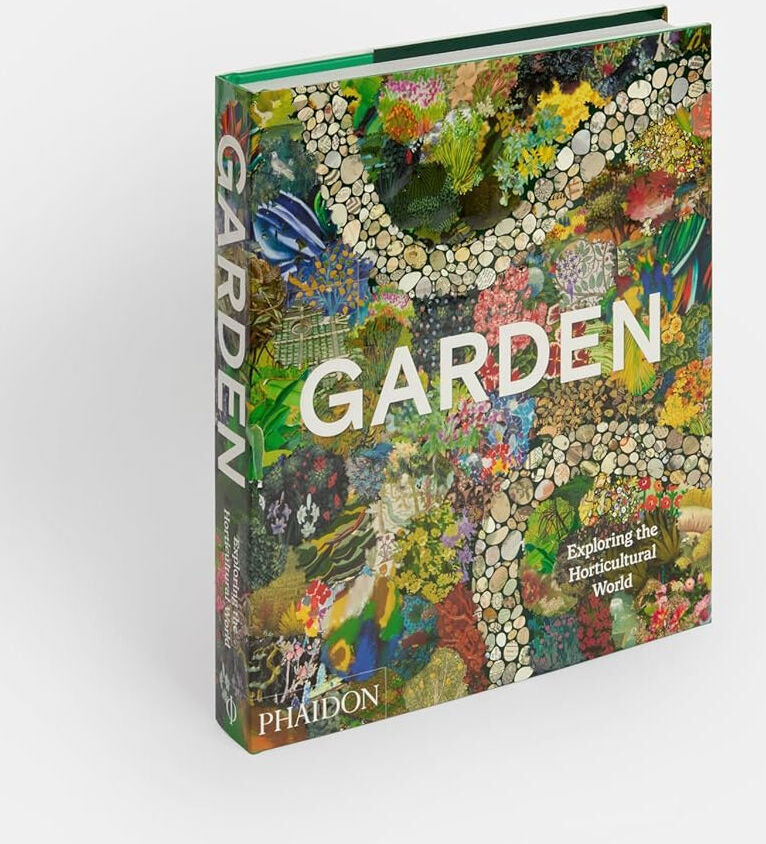
Phaidon Press Garden: Exploring the Horticultural WorldWinner of the Council on Botanical and Horticultural Libraries 2025 Award of Excellence in Series As seen in The New York Times, NPR.org, Gardens Illustrated, and AD Pro A richly illustrated survey celebrating humankind’s enduring relationship with the garden, explored throughout art, science, history, and culture Garden takes readers on a journey across continents and cultures to discover the endless ways artists and image-makers have found inspiration in gardens and horticulture throughout history. With more than 300 entries, this comprehensive and stunning visual survey showcases the diversity of the garden from all over the world – from the garden of Eden and the grandeur of the English landscape garden to Japanese Zen gardens and the humble vegetable plot. Spanning a wide range of styles and media – art, illustrations, and sculptures to photography, film stills, and textiles – Garden follows a visually arresting sequence, with works, regardless of period, thoughtfully paired, and features large-scale images, accessible texts, and reference information, including a glossary, illustrated timeline, and biographies. Offering a comprehensive introduction to the subject, Garden features work by a diverse range of both lesser-known and iconic artists, including Pierre Bonnard, Roberto Burle Marx, Lucas Cranach the Elder, Gertrude Jekyll, Claude Monet, Marianne North, Crispijn de Passe, William Robinson, Alma Thomas, and Howard Sooley, among others, including a variety of surprising examples that will appeal to specialists as well as the general reader. Aimed at a wide audience, this book has diverse appeal – from artists, designers, and art historians to garden enthusiasts, horticulturists, and everyone interested in the natural world around them.27,99 £*Shipping: 2,99 £Secure redirect to the provider
-
Phaidon Press Our Galaxy: A First Adventure in Space (Our World Collection) by Sue Lowell GallionA stunning addition to the bestselling Our World Collection, this colorful, creative picture book transforms into a freestanding globe. Explore our galactic home with this charming read-aloud introduction to astronomy. Beautifully illustrated and cleverly designed, Our Galaxy opens and folds back into a sturdy circular globe fastened by a hidden magnetic closure. Rhyming verse and lush illustrations teach young children about astronomical objects – from the planets in our solar neighborhood to faraway stars in the Milky Way. Secondary text offers more detailed, curriculum-focused facts and encourages children to learn about rockets, rovers, and other space technologies. Inspiring, informative, and one-of-a-kind, this artful homage to outer space is both an invitation to explore the night sky and an object to be treasured for years to come.9,99 £*Shipping: 2,99 £Secure redirect to the provider
-
Will we ever leave our solar system?
It is possible that humans will eventually leave our solar system, but it will likely be a very long time in the future. Currently, our technology is not advanced enough to make interstellar travel feasible, and the distances involved are incredibly vast. However, with continued advancements in space exploration and propulsion technology, it is conceivable that future generations may develop the capability to travel beyond our solar system. Nonetheless, it would require significant scientific and engineering breakthroughs to make interstellar travel a reality. **
-
Could our solar system exist without a galaxy?
No, our solar system could not exist without a galaxy. Our solar system is part of the Milky Way galaxy, and the gravitational forces and interactions within the galaxy are essential for the formation and stability of our solar system. Additionally, the material from which our solar system formed likely originated from the Milky Way galaxy. Without the presence of a galaxy, the conditions necessary for the formation and evolution of our solar system would not exist. **
-
What is the gravity in our solar system?
The gravity in our solar system is primarily determined by the mass of the Sun, which creates a gravitational force that holds the planets, moons, and other objects in orbit around it. The force of gravity decreases with distance from the Sun, so the closer an object is to the Sun, the stronger the gravitational force it experiences. Additionally, the mass of each individual planet and moon also contributes to the overall gravitational forces within the solar system. **
-
How many planets are in our solar system?
There are eight planets in our solar system: Mercury, Venus, Earth, Mars, Jupiter, Saturn, Uranus, and Neptune. In 2006, Pluto was reclassified as a "dwarf planet" by the International Astronomical Union, so it is no longer considered one of the main planets in our solar system. **
* All prices are inclusive of VAT and, if applicable, plus shipping costs. The offer information is based on the details provided by the respective shop and is updated through automated processes. Real-time updates do not occur, so deviations can occur in individual cases. ** Note: Parts of this content were created by AI.